
Marine Diesel Engine Reconditioning
for New Zealand's Commercial Vessel Operators
Marine engines run long hours in demanding conditions. Saltwater environments, sustained high loads, and operations where an engine failure is not a roadside problem but a vessel out of service. Franklin Engineering Services has the in-house workshop capability to recondition, machine and rebuild large-bore marine diesel engines to the standard that commercial operators and ferry services require.

Marine Engines Operate in Conditions
That Demand More from Every Component

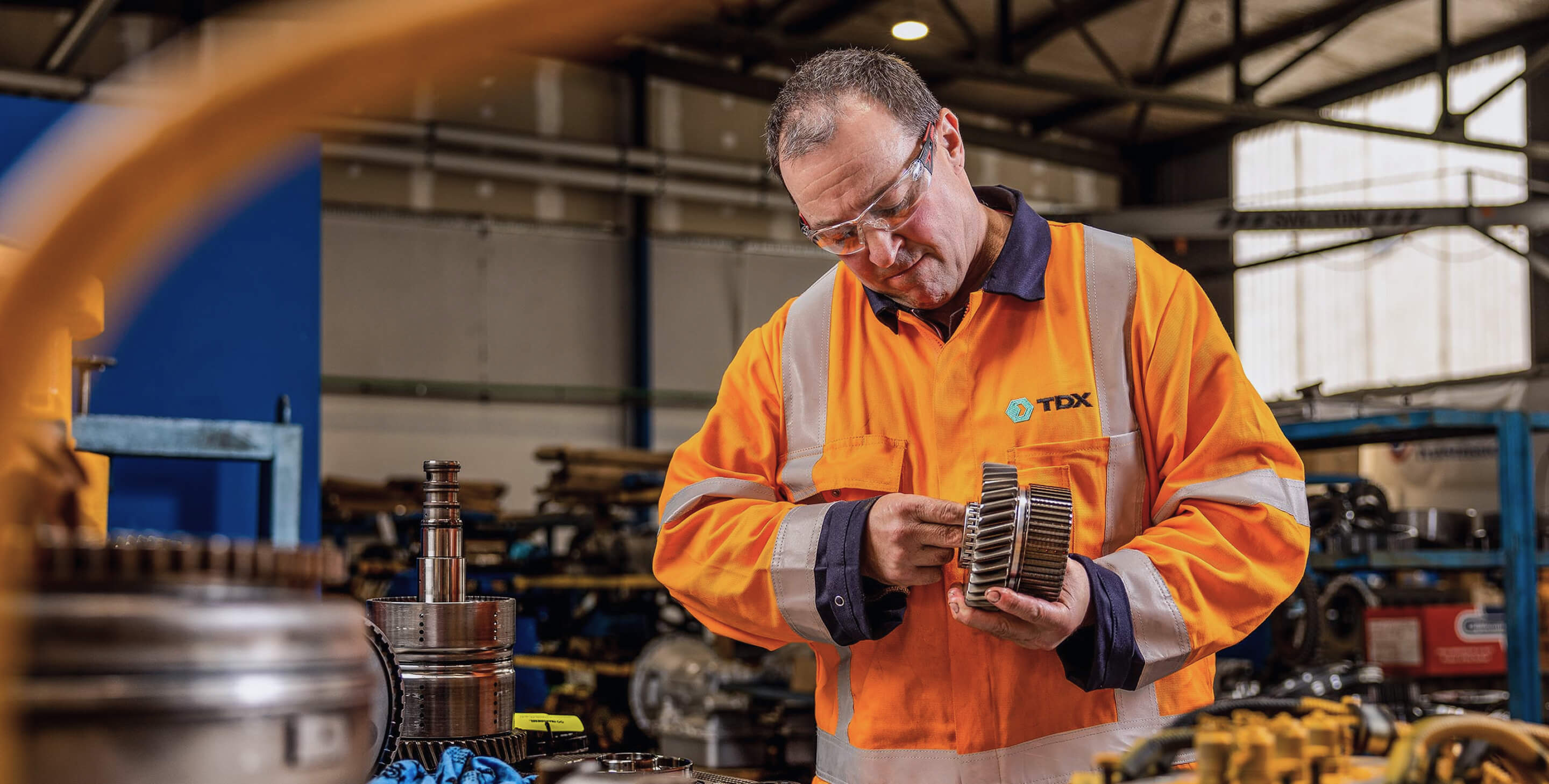
Commercial marine operators face a different kind of pressure to land-based diesel users. A ferry service cannot delay its scheduled crossing. A fishing vessel cannot stay in port waiting on parts. A work boat on charter has a client, a crew and a schedule. None of those things pause while an engine sits on a workshop bench somewhere. The consequences of engine failure at sea, or of a vessel laid up during a high-value operating window, go well beyond the cost of the repair itself. Getting the work done right and getting the vessel back in service quickly are not two separate goals. They are one.
Marine diesel engines are also, as a category, larger and more complex than the engines found in most land-based applications. Caterpillar C18, C32 and 3400-series engines. Cummins KTA, QSK and QSL units. Volvo Penta D12 and D16 marine diesels. John Deere Power Tech marine engines. Some older commercial vessels carry legacy platforms — Perkins, Gardner or early Caterpillar units — where the parts are hard to source and the ability to engineer a solution matters more than the ability to order one. Rebuilding any of these engines requires workshop equipment with the capacity to work at the dimensions they demand: lathes with sufficient swing, crankshaft grinding capability for large-bore journals, and boring and honing equipment matched to the cylinders involved.
The marine environment adds wear patterns that simply do not appear in road or plant applications. Saltwater ingress into cooling systems, corrosion on shaft journals and bearing surfaces, raw water pump wear, and the general harshness of a coastal or offshore operating environment all show up in how marine engines fail and what they need to be properly restored. Metal spraying — rebuilding worn or corroded shafts, housings and contact surfaces back to specification — is particularly relevant here, because the cost of a replacement marine component is high, the lead time is often long, and the ability to restore rather than replace can mean the difference between a vessel back in service this week and one waiting three months on an overseas order.
Common Engine Issues in Marine and Commercial Vessel Applications
The marine engine work Franklin Engineering Services handles follows patterns that most general diesel workshops are not equipped to deal with. Large displacements, corrosion-related damage, hard-to-source parts and the elevated stakes that come with operating in a marine environment.
Large-bore engine dimensions that most workshops cannot machine
Commercial marine engines are typically high-displacement units. The crankshafts, cylinder bores and component dimensions are beyond the capacity of a general diesel workshop, and require specialist equipment to machine correctly.
Saltwater corrosion damage on shafts, journals and contact surface
Marine operating environments accelerate surface corrosion in ways that land-based applications do not. Worn or corroded shaft journals, housings and bearing surfaces often need metal spray restoration rather than simple component replacement.
Hard-to-source parts for marine-specific and legacy engine platforms
Marine engine parts are not stocked in the same depth as automotive or truck components. Older vessels with legacy platforms, lower-volume engine series, and the general complexity of sourcing marine-spec parts means delays that directly affect vessel availability.
Dry-dock and maintenance window constraints
Marine engine reconditioning is often tied to planned lay-up periods or scheduled dry-dock windows. The scope of work needs to be properly assessed, planned and executed so the vessel returns to service on time and without additional unplanned work.
High operating hours on vessels in continuous commercial service
Ferries, fishing vessels and charter boats accumulate engine hours at a rate comparable to the hardest land-based applications — and a thorough reconditioning at the right interval is far less costly than an unplanned failure at sea or mid-charter.
Critical operations where engine reliability is non-negotiable
A passenger ferry, a vessel on a long-distance fishing trip or a workboat supporting an offshore operation cannot afford the consequences of an engine rebuilt to an inadequate standard. The requirement for quality work is higher than almost any other diesel application.
Specialist Engine Support for New Zealand's Marine and Ferry Operators
From a full engine reconditioning on a large-bore commercial marine diesel to crankshaft work, cylinder head remanufacturing, component restoration and hard-to-source part solutions, Franklin Engineering Services has the in-house capability to handle the full scope of marine engine work without sending it elsewhere.
Engine Reconditioning
A complete engine recondition is the answer when a commercial marine diesel has reached the end of its serviceable life. Strip, inspect, machine, source parts and rebuild to manufacturer tolerances. Franklin Engineering Services reconditions large-bore marine engine platforms in-house, including Caterpillar, Cummins, Volvo Penta and John Deere marine units, with the workshop equipment to handle the dimensions these engines require.
Crankshaft Grinding
Large-bore marine crankshafts require a grinding machine with the capacity to match, and Franklin Engineering Services has the in-house capability to handle them. Main and big-end journals are ground to precise undersize tolerances, with the surface finish and dimensional accuracy that a quality marine rebuild demands. For most workshops, marine-spec crankshaft work goes out the door. At Franklin Engineering Services, it stays in the building.
Metal Spraying & Refurbishing
Saltwater environments are hard on engine components. Corroded or worn shafts, journals and contact surfaces that would be replaced in a land-based application can often be restored by metal spraying and precision re-machining to specification. This is particularly valuable for marine operators, where replacement parts are expensive, lead times are long, and restoring rather than replacing gets the vessel back in service faster.
Cylinder Head Remanufacturing
Marine engines operating at sustained high loads and in saltwater-affected cooling systems are susceptible to cylinder head damage — cracking, warping and valve seat wear that requires proper remanufacturing. Franklin Engineering Services pressure tests, crack detects, machines and fully rebuilds cylinder heads for the commercial marine engine platforms it works on.
General Machining Services
Marine engine work does not always fit a standard service menu — older vessels with legacy platforms, hard-to-source components that need engineering solutions, and custom parts that simply cannot be ordered through a distributor. Franklin Engineering Services’ general machining capability covers the non-standard work: centre lathe turning, milling, surface grinding and custom component manufacture for jobs that require engineering rather than catalogue ordering.
Franklin Engineering Services has provided engine reconditioning and machining support for some of New Zealand's most demanding marine operations, including the Interislander ferry service, which carries passengers and freight on one of the country's most critical maritime routes.

Talk to Us About Your Marine Engine Requirements
Whether it is a scheduled dry-dock rebuild, crankshaft or cylinder head work, a corroded component that needs restoring, or a marine engine platform that other workshops will not touch, tell us the vessel type, the engine make and model, and what you are dealing with. The Franklin Engineering Services team will come back with a clear assessment and a realistic timeframe.