
Cylinder Head Remanufacturing — Done Right, the First Time
Franklin Engineering Services carries out specialist cylinder head remanufacturing for heavy diesel engines across New Zealand. From pressure testing and crack detection through to precision machining, valve work and full refurbishment, all completed in-house.

Precision Refurbishment for Heavy Diesel Engines

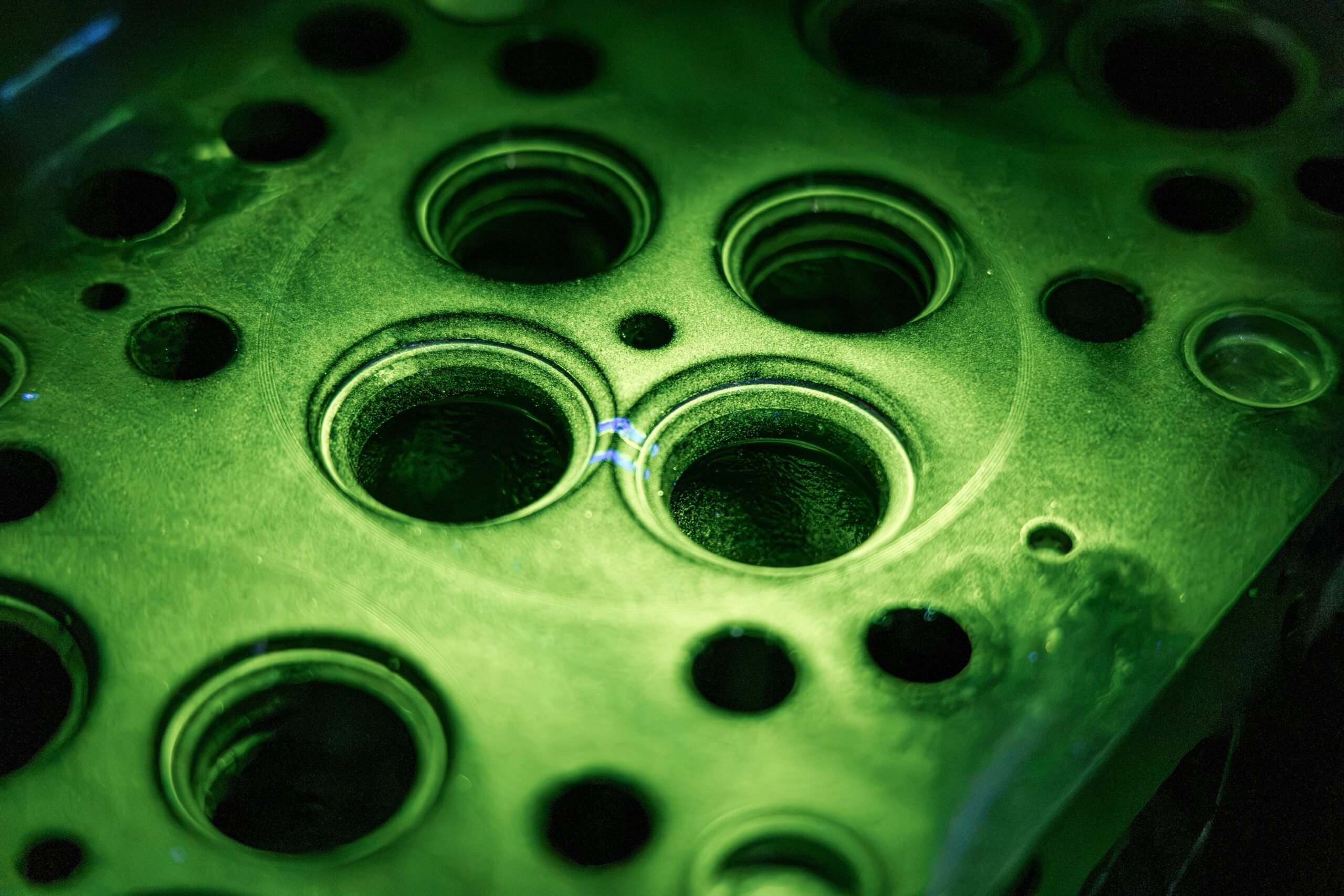
The cylinder head is one of the most mechanically demanding components in a diesel engine. It seals the combustion chamber, houses the valve train, carries coolant and oil passages under extreme heat and pressure, and must maintain precise tolerances across its entire face. Cycle after cycle, hour after hour. When a cylinder head is damaged, warped, cracked or worn, the engine cannot operate reliably. Remanufacturing it properly is a precision job that requires the right equipment, technical knowledge and experience.
Cylinder head problems are more common than many operators realise. Overheating, coolant contamination, high-load operating cycles, and normal wear over time all take their toll. A warped head face causes compression loss and combustion gas ingestion into the cooling system. Cracked heads — particularly around valve seats and water jackets — are a failure risk that worsens rapidly if not addressed. Worn valve guides and seats reduce efficiency and oil control. In each case, the question is the same: can the head be remanufactured to a standard that restores reliable performance, or does it need replacing?
At Franklin Engineering Services, cylinder head remanufacturing is carried out entirely in-house. The team has been working on heavy diesel cylinder heads for decades, from common truck and earthmoving engines through to marine and agricultural applications. The workshop has the equipment to clean, test, machine and rebuild heads to manufacturer tolerances, and the experience to make sound assessments about what can be saved and what cannot. When the head leaves Franklin Engineering Services, it is pressure tested, verified and ready to go back into service.
Full Cylinder Head Remanufacturing Across All Heavy Diesel Platforms
Franklin Engineering Services handles cylinder head remanufacturing across the full range of heavy diesel engine platforms. Whether it is a single head from a truck engine or a set of heads from a marine or industrial engine, the workshop has the tooling, equipment and technical experience to carry out the work properly.
COMMON APPLICATIONS:
- Cylinder head pressure testing and crack detection
- Head face resurfacing and precision skimming
- Valve seat reconditioning and replacement
- Valve guide replacement and reaming
- Valve refacing and lapping
- Injector bore and thread repair
- Full cylinder head rebuild and assembly
INDUSTRIES SERVED:
- Heavy Transport & Haulage
- Earthmoving & Civil
- Marine & Ferry Operations
- Agricultural & Farming
- Generators & Industrial
In-House Testing, Machining and Rebuild
One of the most important things about cylinder head remanufacturing is knowing what you are dealing with before committing to the work. Franklin Engineering Services starts every job with a thorough assessment: pressure testing to identify leaks, crack detection to find damage not visible to the naked eye, and measurement of the head face for flatness and surface condition. This stage determines whether the head can be remanufactured to a reliable standard, and what that work involves.
Where the head is suitable for remanufacturing, Franklin Engineering Services carries out the full scope of work in-house. Surface grinding to restore head face flatness, valve seat machining or replacement, valve guide replacement and reaming, valve refacing, and full reassembly. Every step is done to manufacturer tolerances using workshop equipment that has been set up specifically for this type of precision work. The finished head is pressure tested before leaving the workshop, so there are no surprises when it goes back in the engine.
The cylinder head remanufacturing process:
Disassembly & Cleaning
The head is fully disassembled and hot-tank cleaned to remove carbon, scale, and contaminants — giving an accurate picture of the head's actual condition before any assessment begins.
Pressure Testing & Crack Detection
The head is pressure tested to identify cracks or leaks in water jackets, valve seats and the combustion chamber area. Crack detection methods are applied where required to identify subsurface damage.
Machining & Resurfacing
The head face is measured for flatness and surface finish. Where required, it is precision-ground back to specification, restoring the sealing surface and ensuring correct head gasket contact across the full face.
Valve Seat & Guide Work
Worn or damaged valve seats are reconditioned or replaced. Valve guides are replaced and reamed to the correct tolerance. Valves are refaced and lapped to the seat for a proper seal.
Reassembly & Final Testing
The head is reassembled with new seals, springs and components as required, then pressure tested again as a complete assembly before being signed off and returned.
Franklin Engineering Services remanufactures cylinder heads across virtually every heavy diesel engine platform in New Zealand. Every job is pressure tested and verified before it leaves the workshop.

Talk to Us About Your Cylinder Head Requirements
Tell us the engine make and model, what you're seeing — overheating, compression loss, coolant in the oil — and the Franklin Engineering Services team will come back to you with an honest assessment and a clear next step.
FAQ
What is cylinder head remanufacturing and when is it needed?
Cylinder head remanufacturing is the process of restoring a damaged or worn head to a serviceable, reliable condition through cleaning, testing, precision machining and rebuild. It's needed when the head has been overheated, cracked, warped, or has worn valve seats or guides that servicing alone cannot fix. The alternative is a replacement head — which, for older, specialist or hard-to-source engines, may not be readily available. A properly remanufactured head from Franklin Engineering Services is a sound, verified alternative.
Can a cracked cylinder head be repaired?
It depends on the location and extent of the crack. Some cracks — particularly hairline cracks in non-critical areas — can be successfully repaired through specialist welding or pinning techniques. Cracks through valve seats, combustion chamber walls or water jacket passages are more serious and may mean the head is beyond economic repair. FES assesses each head individually and gives a straight recommendation on whether repair is viable — they won't push work that isn't going to give a reliable result.
How do I know if my cylinder head is warped or damaged?
Common signs include overheating, white smoke from the exhaust (indicating coolant entering the combustion chamber), coolant loss without an obvious external leak, oil and coolant mixing, or persistent misfiring. However, some head damage — particularly early-stage cracking — is not obvious until the head is removed and pressure tested. If the engine has been overheated or is showing any of these symptoms, getting the head assessed by a specialist is the right first step.
What is the difference between a remanufactured and a reconditioned cylinder head?
The terms are often used interchangeably, but in practice, remanufacturing generally refers to a more thorough process — returning the head to a like-new or as-new specification using machining, replacement components and full testing, rather than simply cleaning and reassembling it. At FES, every head that goes through the workshop is disassembled, cleaned, measured, machined where required, rebuilt with new components as needed, and pressure tested before leaving. That is what remanufacturing means in practice.