
Restore Performance and Prevent Costly Failures with EGR Cooler Cleaning
Franklin Engineering Services provides specialist EGR cooler cleaning for modern heavy diesel engines, removing carbon and soot build-up that causes overheating, power loss and fault codes, before it becomes a much more expensive problem.

Keeping Modern Diesel Engines Running Clean

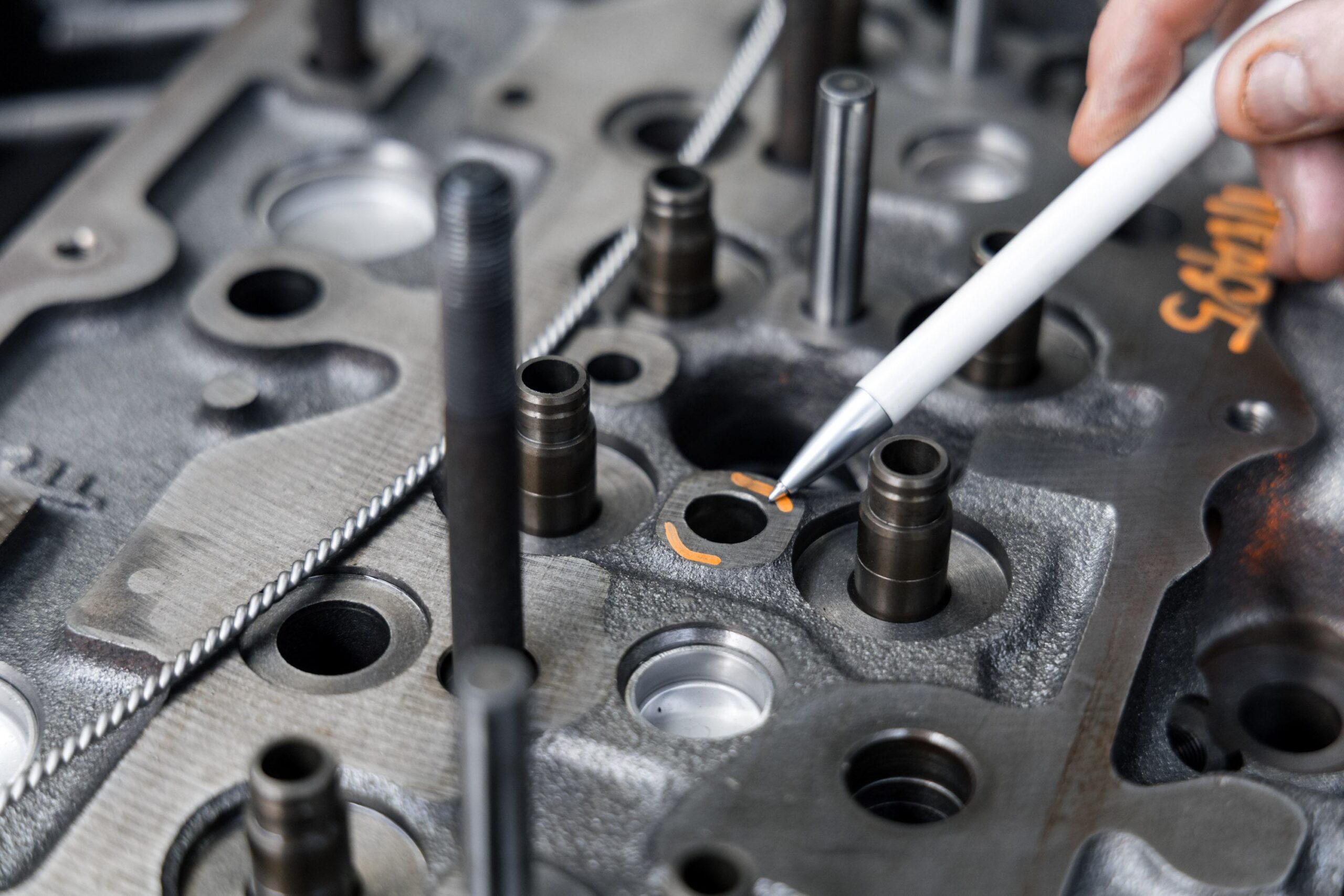
Exhaust Gas Recirculation (EGR) systems are standard on modern diesel engines built to Euro 4, Euro 5 and Euro 6 emissions standards, including the majority of heavy trucks, buses and plant equipment operating in New Zealand today. The EGR system works by redirecting a portion of exhaust gases back into the engine's intake, reducing combustion temperatures and lowering harmful NOx emissions. The EGR cooler's job is to cool those recirculated exhaust gases before they re-enter the intake. The problem is that exhaust gases carry soot, and over time that soot accumulates inside the cooler as a thick carbon deposit steadily reducing its efficiency, restricting flow and, if left long enough, causing the cooler to fail.
A blocked or failing EGR cooler affects engine performance in ways that are easy to mistake for other problems. Power loss, higher-than-normal coolant temperatures, excessive black smoke, increased fuel consumption and EGR-related fault codes are all common symptoms. In more serious cases, a cracked EGR cooler can allow coolant to enter the intake system, leading to coolant loss, white smoke, and the risk of hydrostatic lock if left unaddressed. Catching the carbon build-up early and having the cooler professionally cleaned is a straightforward job. Ignoring it until the cooler fails is significantly more expensive.
Franklin Engineering Services provides specialist EGR cooler cleaning as part of its in-house service offering for modern diesel engines. The cooler is removed, cleaned using a process that effectively removes carbon and soot without damaging the internal structure, pressure tested to confirm it is leak-free, and inspected before being returned to service. For operators running modern Euro 5 or Euro 6 trucks, buses or plant equipment, it is a maintenance service worth scheduling, not one to wait for a fault code to trigger.
EGR Cooler Cleaning for Modern Heavy Diesel Engines Across New Zealand
Franklin Engineering Services cleans EGR coolers across a wide range of modern heavy diesel engine platforms, from Euro 4/5/6 truck engines through to Tier 3/4 plant equipment and bus engines. The service is available as a standalone maintenance job or alongside broader engine work where EGR system issues have contributed to the engine's condition
COMMON APPLICATIONS:
- EGR cooler carbon and soot deposit removal
- EGR cooler pressure testing and leak inspection
- EGR valve cleaning and assessment
- EGR system inspection as part of engine diagnostics
- Preventative EGR cooler cleaning on scheduled maintenance intervals
- EGR cooler cleaning as part of a broader engine service or reconditioning job
INDUSTRIES SERVED:
- Heavy Transport & Haulage
- Bus & Passenger Fleet Operators
- Earthmoving & Civil
- Agricultural & Farming
- Generators & Industrial
Removed, Cleaned, Tested and Back in Service
The effectiveness of EGR cooler cleaning depends on the cleaning process and how thoroughly it is carried out. Franklin Engineering Services approaches the job the same way it approaches any precision engine work: remove it properly, clean it thoroughly, test it before it goes back in, and confirm the result. The cooler is not reinstalled until it has been pressure tested and the team is satisfied it is clean and leak-free.
The cleaning process at Franklin Engineering Services removes carbon and soot deposits from the cooler's internal passages without damaging the cooler itself. An important distinction given that EGR coolers contain fine internal tubes or channels that can be compromised by aggressive cleaning methods or high-pressure flushing. Once cleaned, the cooler is pressure tested to confirm there are no internal leaks between the exhaust gas side and the coolant side — the failure mode that causes coolant ingestion. The EGR valve is also assessed at the same time and cleaned where required.
The EGR cooler cleaning process at Franklin Engineering Services:
Removal & Initial Assessment
The EGR cooler and valve are removed and visually assessed — checking the extent of carbon build-up, looking for signs of cracking, coolant contamination or physical damage before cleaning begins.
Carbon Deposit Removal
Internal passages are cleaned using a process appropriate to the cooler design and the level of fouling. Removing soot and carbon deposits while preserving the integrity of the cooler's internal structure.
EGR Valve Cleaning & Assessment
The EGR valve is cleaned and assessed for correct operation. If the valve is mechanically worn or beyond cleaning, Franklin Engineering Services will advise on replacement options.
Pressure Testing
The cleaned cooler is pressure tested to confirm there are no leaks between the exhaust gas passages and the coolant passages. This critical check confirms that the cooler is safe to return to service.
Inspection & Return to Service
The cooler is inspected, signed off and returned to the customer either cleaned and ready for reinstallation, or with a clear recommendation if further work is required.
An EGR cooler cleaned at the right time costs a fraction of an EGR cooler that has failed — and a fraction of the engine damage that can follow. Franklin Engineering Services treats it as the maintenance job it should be, not the repair it becomes when it's left too long.

Talk to Us About Your EGR Cooler
Tell us the engine make and model, what symptoms you're seeing — fault codes, overheating, smoke, power loss — and the Franklin Engineering Services team will come back to you with a clear assessment of what the EGR system needs.
Frequently Asked Questions
What is an EGR cooler and why does it get blocked?
The EGR cooler is part of the engine's emissions control system. It cools exhaust gases before they are recirculated back into the intake — which is how the EGR system reduces combustion temperatures and NOx emissions. The problem is that diesel exhaust gases carry soot particles, and over time those particles build up as carbon deposits inside the cooler's internal passages. The more the engine is used in low-load, short-trip or stop-start conditions — common in urban transport and bus operations — the faster the carbon accumulates.
What are the signs that my EGR cooler needs cleaning?
The most common signs are EGR-related fault codes (check engine light), loss of engine power, higher coolant temperatures than normal, increased fuel consumption and excessive black or white smoke from the exhaust. White smoke combined with coolant loss is a more serious symptom — it can indicate that the cooler has cracked and coolant is entering the intake. If you're seeing any of these symptoms on a modern diesel engine, the EGR system is worth checking early.
Can a blocked EGR cooler cause serious engine damage?
Yes, in two ways. First, a severely blocked EGR cooler reduces the efficiency of the EGR system, which can lead to higher combustion temperatures and increased wear over time. Second — and more immediately serious — if the cooler cracks under the thermal stress of repeated blockage and overheating, coolant can enter the intake system. Coolant ingestion can cause hydrostatic lock, which is capable of causing catastrophic engine damage in a very short time. Cleaning the cooler before it reaches this point is by far the less costly option.
How often should an EGR cooler be cleaned?
It depends on the engine, the operating conditions and the fuel quality. Engines running in urban stop-start conditions tend to accumulate carbon faster than those on long highway runs. As a general guide, EGR cooler condition is worth checking at major service intervals — particularly on high-mileage Euro 5 and Euro 6 engines. FES can advise on what is appropriate for a specific engine and operating profile.